Best Minimum Wage in the World

B2 – Upper Intermediate

People around the world work with minimum wage. A minimum wage is the lowest daily or monthly remuneration that employers may legally pay to workers. Which country has the best minimum wage in the world? Let’s take a look!

Low wage workers in Australia have it better than most.

The country has the most generous national minimum wage in the developed world, according to a report from the Organisation for Economic Co-operation and Development.

The report ranked 27 countries that have laws setting a nationwide minimum rate of pay.

Australia’s minimum wage workers — aged 21 and over — make 15.96 Australian dollars per hour. After tax and other deductions, that’s equivalent to $9.54, once the difference in the cost of living is taken into account.

“They have a high minimum wage. And interestingly they have a low tax burden,” said Herwig Immervoll, the author of the OECD report. “[Australians] recognize that supporting low wage earners through the tax system is important.”

Other countries have set higher hourly rates but they also tax minimum wage workers more, leaving them with less in their pockets.

australia min wage
Australian workers on the minimum wage make the equivalent of $10.38 per hour, which works out to $9.54 after tax.

The U.S. ranked 11th on the list, with a federal minimum wage of $7.25 per hour. That leaves workers with take-home pay of $6.26 per hour.

However, the U.S. would move up the rankings if state minimum wage rules were factored into the equation. Roughly half of U.S. states have rules ensuring workers are paid more than the federal minimum, Immervoll said.

Related: Compare your salary with CNNMoney’s global wage calculator

The OECD report shows that a single Australian minimum wage worker with two kids could work just six hours per week to lift themselves above the poverty line, because they would also receive state benefits.

In the U.S., the same worker would have to clock in 50 hours per week to escape poverty. In the Czech Republic, it would take 79 hours of work per week.

Eight countries, including Finland, Sweden and Switzerland, were not included in the report because their governments do not set national rules on minimum pay. Many of them have strong labor unions and established arrangements for collective bargaining, which means governments don’t have to step in.

Related: The U.S. minimum wage, state by state

Here are the top five countries for hourly minimum wages, based on the latest OECD data from 2013:

1. Australia – $9.54

2. Luxembourg – $9.24

3. Belgium – $8.57

4. Ireland – $8.46

5. France – $8.24

Countries with the lowest take-home minimum wages include Latvia, Chile and Mexico, which is bottom of the list with a rate of about $1 per hour.

— An earlier version of this article incorrectly stated the U.S. federal minimum wage was $7.85. It is $7.25.

Discussion Questions:

1. What is the minimum wage in your country?
2. What do you think should be the ideal minimum wage in your country?
3. How does salary affect the performance of an individual at work?
Trafficked into Prostitution

B2 – Upper Intermediate

Human trafficking, by definition, is the trade of humans, mostly for the purpose of sexual slavery, forced labor or commercial sexual exploitation for the trafficker or others. Millions of people are being trafficked at any given time.  Prostitution is akin to trafficking and is a social problem difficult to abolish.

Watch the video to know about Ope’s story then read the article for extra information.

http://www.bbc.com/news/uk-32235112

Discussion Questions:

  1. It is said that “Prostitution is the world’s oldest profession.” Would you agree or disagree?
  2. What are your thoughts on human trafficking and prostitution?
  3. How big a problem is prostitution for a country?
  4. Should prostitution be legalized? Explain your stance.

Treadmills Linked with Fatalities

B2 – Upper Intermediate

Dave Goldberg was a very successful entrepreneur who died of a severe head trauma after falling off a treadmill. The cause of the fall isn’t clear yet. Some people would call Goldberg’s death a freak accident.

Read the article below to have more information on how dangerous some exercise equipment can be.

http://www.livescience.com/50744-dave-goldberg-treadmill-accidents.html

Discussion Questions:

1. After reading the article, do you think using a treadmill is that dangerous?
2. What other considerations do we need to take before we use any exercise machine?
3. Do you know of any other gym-related accidents?

Vocabulary: Phrasal Verbs with COME

B2 – Upper intermediate

Read the list of phrasal verbs with the word “come” and be ready to discuss them with your teacher. You’ll be using them in sentences as well.

Vocabulary: phrasal verbs with “come”

Discuss:

1. What are some of the interesting things (facts, food or culture) that you’ve come across with?
2. When was the last time you came down with something? How serious was it? What do you do stay healthy?
3. Have you ever cancelled an event or a meeting because something came up?
4. Who comes up with vacation ideas in your family?

Vocabulary: Phrasal Verbs with PUT

B2 – Upper intermediate

Read the list of phrasal verbs with the word “put” and be ready to discuss them with your teacher. You’ll be using them in sentences as well.

Vocabulary: phrasal verbs with “put”

Discuss:

1. Have you ever put something off because of an emergency?
2. What are some of the reason you’d be put off by something like a film or a topic?
3. What commodity prices have been put up recently?
4. Have you ever put someone up during their vacation? Has anyone done the same for you?
5. What are some of the things that you can put up with and some things that you can’t?

Are You a Shopaholic?

B2 – Upper Intermediate

Shopping is fun. For women, mostly, it is a time to bond with friends and family members. On the other hand, if you let your impulse get the best of you, your love for purchase can do you more harm than good.

Read the article below to know more about the facts of being a shopaholic.

The lives of some people revolve around shopping, as they repeatedly make purchases regardless of need or available money. Some of these people make impromptu purchases. Some of these people have closets with unopened purchases. Some of these people have racked up overwhelming amounts of credit card debt. If this sounds like you, then you may be a shopaholic.

A recently administered test to determine the predilection towards compulsive buying reveals that 9% of people fall into this category. Another recent test revealed a slightly smaller percentage of 6%. This new data concludes an increase in the number of shopaholics from just fifteen years ago, as well as determines that men remain just as prone to the shopping urge as women. The test consisted of six statements which people answered on a 7-point scale, from strongly agree to strongly disagree. Some statements included:

* Much of my life centers around buying things.

* I buy things I didn’t plan to buy.

* Others might consider me a shopaholic.

Compulsive buying obviously leads to financial problems such as an empty bank account and maxed out credit cards. Yet these unneeded and unwanted purchases may be the manifestation of more serious problems, namely depression, anxiety, and low self-esteem. What’s more, relationships and family harmony also deteriorate because of disagreements over the purchases. Shopaholics may then hide their purchases, as well as the accompanying costs, and thus add to the strain. It’s a problem that affects people of all income brackets.

Researchers suggest that shopaholics felt better when they were shopping, even when they realized the associated harm.

Source: headsupenglish.com

Discussion Questions:

1. Based on the information in the article, would you consider yourself a shopaholic?
2. Do you know anyone who might be a shopaholic?
3. Do you agree that women and men suffer from the problem equally?
4. Do you agree that anxiety and low self-esteem cause compulsive buying? Why/not?
5. What solutions are there for people who are shopaholics? How can they be helped?

Venice – City of Canals

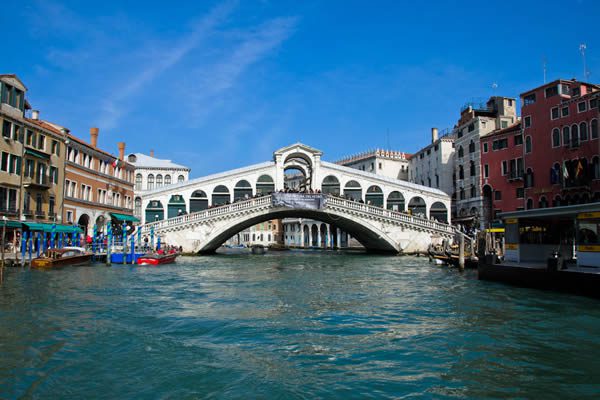
rialto-bridge-canale-grande-venice

B2 – Upper intermediate

Some say that Venice is the romance capital of the world.

Read the article below to know more about the city itself and the life and history of this tourist spot.

Venice – City of Canals

Discuss:

1. Describe some of the beautiful places that you’ve visited in the past.
2. Do you often travel? What do you like most about travelling?
3. Have you been to Venice? If you have, describe your trip. If you haven’t, is this city on your bucket list of places to visit?

Tower of David

B2 – Upper Intermediate

Venezuela is famously known for its beautiful people. But, like any other country, Venezuela struggles with poverty and citywide housing shortage. The Tower of David is a glimpse of some issues that the country is facing.

Discussion Questions:

1. Is poverty an issue in your country?
2. How is your government taking care of the housing needs of the citizens?
3. What do you think are some of the best ways to address poverty in the middle of an economic recession?

Chinese Kids Driving Supercars

B2 – Upper intermediate

In Southern California, a group of wealthy Chinese teenagers have a very interesting way of getting together. Watch this short video and express your thoughts about it.

Discuss:

1. What thoughts came in to your mind while watching the video?
2. In your country, how do the rich and famous “flaunt” their lifestyles?
3. If you were a wealthy person, how would you spend your money?

Fast Japanese Train

B2 – Upper Intermediate

It is known that transportation in Japan is modern and highly developed.

Let’s look at this fast Japanese train. Be ready to talk about the different modes of transportation you have in your country.

Read the article then watch the video included.

http://www.newsinlevels.com/products/fast-japanese-train-level-3/

Discussion Questions:

  1. What are your thoughts on these fast trains in Japan?
  2. What is the most common form of transportation in your country?
  3. Do you think your country needs a fast train like Japan’s maglev train? Why or why not?
  4. Talk about how you normally get to work.